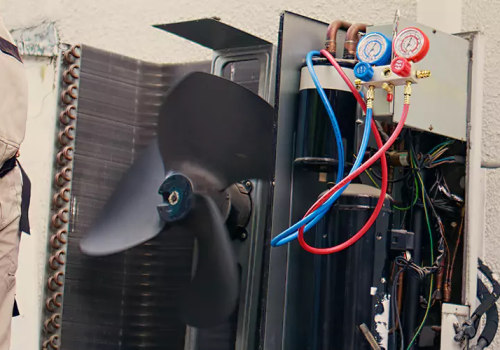
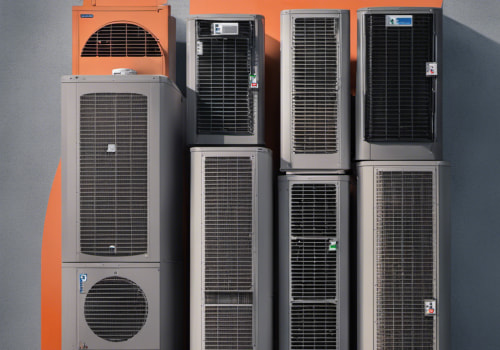
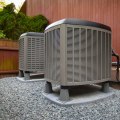
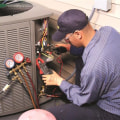
Heating, ventilation, and air conditioning (HVAC) systems are essential for maintaining a comfortable indoor environment in homes and commercial spaces. These systems work together to regulate temperature, humidity, and air quality, ensuring that occupants enjoy a pleasant atmosphere year-round. Understanding the components of HVAC systems and the various types available is crucial for homeowners and business owners alike, especially when considering the implications of mixing different brands during installation or replacement.At the core of any HVAC system are its primary components: the furnace or heater, the air conditioner or heat pump, ductwork, and ventilation systems. The furnace generates heat, while the air conditioner cools the air.
Together, these units work in tandem to provide heating and cooling as needed. Ductwork plays a vital role in distributing conditioned air throughout a building, while ventilation systems ensure that fresh air is circulated and stale air is expelled. Each component must be compatible with one another to function efficiently.There are several types of HVAC systems available on the market today, each designed to meet specific needs and preferences.
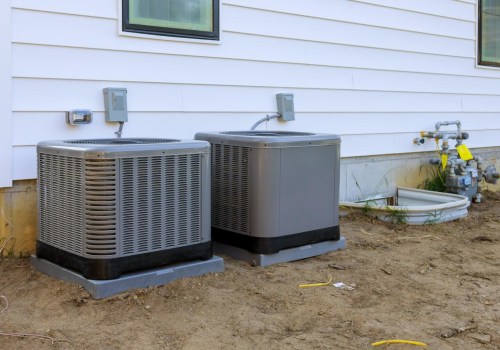
- Central Air Conditioning Systems: These systems use ductwork to distribute cooled air throughout a home.
- Heat Pumps: These versatile units can provide both heating and cooling by transferring heat between indoors and outdoors.
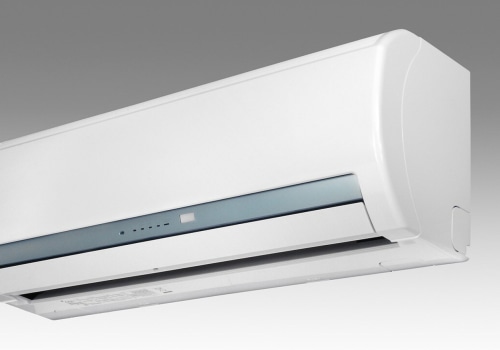
- Ductless Mini-Split Systems: Ideal for homes without existing ductwork, these systems offer flexibility in installation and zoning options.
- Geothermal Systems: Utilizing the earth's stable temperature, these energy-efficient systems provide heating and cooling through underground loops.
While mixing brands can sometimes lead to cost savings or improved performance, it also raises questions about compatibility and efficiency. Understanding the intricacies of HVAC systems will empower you to make informed decisions that best suit your home’s needs.
The Pros and Cons of Mixing HVAC Brands
When considering the option of mixing different HVAC brands, it is essential to weigh both the advantages and disadvantages. Understanding these factors can help homeowners make informed decisions that best suit their needs.Benefits of Mixing HVAC Brands
- Cost Savings: One of the primary benefits of mixing brands is the potential for cost savings. Homeowners may find that certain brands offer more affordable units or components, allowing them to replace only what is necessary without committing to a full system overhaul.
- Access to Advanced Technology: Different manufacturers often have unique technologies and features.
By mixing brands, homeowners can take advantage of the latest innovations from various companies, such as energy-efficient models or smart home integration.
- Flexibility in Upgrades: If one component of your HVAC system fails, you can replace it with a different brand that may offer better performance or features. This flexibility allows for tailored solutions that meet specific needs without being tied to a single brand. If one component of your HVAC system fails, you can replace it with a different brand that may offer better performance or features. This flexibility allows for tailored solutions that meet specific needs without being tied to a single brand.
Drawbacks of Mixing HVAC Brands
- Compatibility Issues: One significant drawback is the potential for compatibility problems. Different brands may not work seamlessly together, leading to inefficiencies or operational issues. It’s crucial to ensure that components are compatible before making a purchase.
- Warranty Concerns: Mixing brands can void warranties on existing equipment.
If a problem arises, homeowners may find themselves without support from manufacturers, which can lead to costly repairs.
- Increased Maintenance Complexity: Having multiple brands in one system can complicate maintenance and repairs. Technicians may need specialized knowledge for different units, which could lead to longer service times and higher costs.
Compatibility Issues When Mixing Brands
When considering the integration of different HVAC brands, understanding compatibility is crucial. Compatibility issues can arise from various factors, including the size of components, efficiency ratings, and the specific types of systems involved.Here’s a closer look at these aspects:
Size of Components
The physical dimensions of HVAC components play a significant role in their compatibility. For instance, the size of coils and fans must align with your existing ductwork to ensure optimal airflow and efficiency. If the new unit is too large or too small, it can lead to:- Reduced Efficiency: An improperly sized unit may struggle to maintain desired temperatures, leading to increased energy consumption.
- Increased Wear and Tear: Mismatched sizes can cause components to work harder than necessary, resulting in premature failure.
Efficiency Ratings
Another critical factor is the efficiency ratings of the HVAC units. Different brands may have varying standards for measuring efficiency, such as SEER (Seasonal Energy Efficiency Ratio) for air conditioners or AFUE (Annual Fuel Utilization Efficiency) for furnaces.When mixing brands, consider the following:
- Performance Discrepancies: If one unit has a significantly higher efficiency rating than the other, it may lead to uneven heating or cooling throughout your home.
- Potential Cost Implications: Higher efficiency units often come with a higher upfront cost but can save money in the long run through reduced energy bills.
Types of HVAC Systems
The type of HVAC system you have also influences compatibility. For example, central air conditioning systems may not integrate seamlessly with heat pumps or ductless mini-split systems. Here are some considerations:- System Type Compatibility: Ensure that the new unit is compatible with your existing system type. Mixing different types can lead to operational inefficiencies.
- Control Systems: Different brands may use unique control systems that could complicate integration.
Ensure that thermostats and control panels are compatible.
Warranty Considerations with Mixed Brands
When considering a mixed-brand HVAC system, one of the most critical aspects to evaluate is the warranty implications. Homeowners often overlook how combining different brands can impact their warranties, leading to unexpected costs and complications down the line.Understanding HVAC Warranties
HVAC warranties typically cover parts and sometimes labor for a specified period, usually ranging from five to ten years.
However, these warranties come with specific conditions that must be met for them to remain valid. When you mix brands, you may inadvertently violate these conditions.
Potential Warranty Issues
- Brand-Specific Limitations: Many manufacturers stipulate that their components must be used in conjunction with their systems. If you install a different brand's air conditioner with your existing furnace, you might find that the warranty on either unit is voided.
- Installation Requirements: Proper installation is crucial for maintaining warranty coverage. If an HVAC installation company does not follow the manufacturer's guidelines when mixing brands, it could lead to warranty claims being denied.
- Compatibility Concerns: Even if two units are operational together, if they are not designed to work in tandem, it could lead to premature failure.
This failure may not be covered under warranty if it is determined that the issue arose from using incompatible brands.
How Warranties Work with Mixed HVAC Systems
If you decide to proceed with a mixed-brand system, here are some steps to help protect your investment:
- Consult with Professionals: Before making any decisions, consult with reputable HVAC installation companies. They can provide insights into which brands are more likely to work well together and maintain warranty coverage.
- Read the Fine Print: Always read the warranty documentation carefully. Look for clauses that mention compatibility and installation requirements.
- Keep Records: Maintain detailed records of all installations and repairs. This documentation can be crucial if you need to file a warranty claim in the future.
By being proactive and informed, homeowners can avoid unexpected expenses and ensure their systems operate efficiently for years to come.
Cost Implications of Mixing HVAC Brands
When considering the cost implications of mixing HVAC brands, homeowners must evaluate both the initial investment and the potential long-term expenses. While it may seem appealing to choose a less expensive unit from a different brand, the overall financial impact can vary significantly based on several factors.Initial Costs
The upfront cost of purchasing an HVAC system is often the first consideration for homeowners. Mixing brands can sometimes lead to lower initial costs if one brand offers a more affordable unit. However, it’s essential to remember that the cheapest option may not always be the best choice.
Here are some points to consider:
- Brand Reputation: Some brands are known for their reliability and efficiency, which can save you money on repairs and energy bills in the long run.
- Installation Costs: Different brands may require specific installation techniques or components, which can increase labor costs if your HVAC installation company is not familiar with the brand.
- Warranty Considerations: Mixing brands may void warranties on either unit, leading to potential out-of-pocket expenses for repairs or replacements.
Long-Term Costs
While initial costs are important, long-term expenses should also be a significant part of your decision-making process. Here are some factors that can influence long-term costs:
- Energy Efficiency: Different brands have varying energy efficiency ratings. A less efficient unit may lead to higher utility bills over time, negating any savings from a lower purchase price.
- Maintenance and Repairs: If the mixed system has compatibility issues, it could lead to more frequent repairs and maintenance, increasing overall costs.
- System Longevity: A well-matched system typically lasts longer than a mixed one. If one unit fails prematurely, you may face additional replacement costs sooner than expected.
Homeowners should consult with experienced HVAC installation companies to assess compatibility and ensure that their investment will provide reliable performance and efficiency over time.
Choosing the Right HVAC Installation Company
When it comes to HVAC installation companies, selecting the right contractor is crucial, especially if you are considering mixing different brands for your heating and cooling systems. The expertise of your chosen contractor can significantly impact the efficiency and longevity of your HVAC system.Here are some key factors to consider when choosing an HVAC contractor:- Experience and Expertise: Look for companies with a proven track record in handling mixed-brand installations. Experienced contractors will have the knowledge to navigate potential compatibility issues and ensure that all components work harmoniously.
- Licensing and Insurance: Ensure that the HVAC installation company is properly licensed and insured. This protects you from liability in case of accidents during installation and guarantees that the contractor meets local regulations.
- Customer Reviews and References: Research online reviews and ask for references from previous clients.
Positive feedback from homeowners who have had similar installations can provide insight into the contractor's reliability and quality of work.
- Warranty and Service Agreements: Inquire about warranties on both the equipment and the installation work. A reputable company should offer a solid warranty that covers potential issues arising from their installation.
- Comprehensive Estimates: Obtain detailed estimates from multiple contractors. A good estimate should include a breakdown of costs, equipment specifications, and timelines. This transparency helps you make informed decisions.
Regular maintenance is essential for mixed-brand systems, as it helps identify potential issues before they escalate into costly repairs.Ultimately, choosing the right HVAC installation company involves thorough research and careful consideration of your specific needs. By prioritizing professional expertise, you can ensure that your mixed-brand HVAC system operates efficiently and effectively for years to come.
Frequently Asked Questions About Mixing HVAC Brands
When considering the option of mixing HVAC brands, homeowners often have a variety of questions. Below are some of the most frequently asked questions regarding compatibility, performance, and troubleshooting mixed HVAC systems.What are the risks of mixing different HVAC brands?
Mixing different HVAC brands can lead to several potential risks:- Warranty Issues: Many manufacturers specify that using components from different brands may void warranties. This means if something goes wrong, you might not receive support or coverage for repairs.
- Compatibility Problems: Different brands may not be designed to work together seamlessly.
This can lead to inefficiencies or even system failures.
- Increased Troubleshooting Difficulty: If issues arise, diagnosing problems can be more complicated when multiple brands are involved, as technicians may not be familiar with how the systems interact.
How can I ensure compatibility when mixing HVAC brands?
To ensure compatibility when mixing HVAC brands, consider the following:- Consult with Professionals: Always consult with experienced HVAC installation companies. They can provide insights into which brands work well together based on your specific system.
- Check Specifications: Review the technical specifications of both systems. Pay attention to size, capacity, and efficiency ratings to ensure they align.
- Consider System Type: Different types of systems (e.g., central air conditioning vs. heat pumps) may have unique compatibility requirements.
Make sure the systems you choose are compatible in terms of type and function.
What should I do if I experience issues with a mixed HVAC system?
If you encounter problems with a mixed HVAC system, follow these steps:- Document the Issue: Keep a detailed record of any symptoms or malfunctions. This information will be helpful for technicians.
- Contact a Qualified Technician: Reach out to an HVAC professional who has experience with mixed-brand systems. They will be better equipped to diagnose and resolve issues.
- Avoid DIY Repairs: While it may be tempting to troubleshoot on your own, avoid making repairs unless you are qualified. Incorrect fixes can exacerbate problems and lead to further costs.
Conclusion: Making Informed Decisions About Your HVAC System
In conclusion, navigating the complexities of mixing HVAC brands requires a thoughtful approach and a solid understanding of your home’s heating and cooling needs.As we have discussed, while it is feasible to combine different brands for your HVAC system, there are several critical factors to consider that can significantly impact the performance, efficiency, and longevity of your system.
Compatibility
is paramount. Ensuring that the components you choose can work together seamlessly is essential for optimal operation. This includes checking the specifications of coils, fans, and ductwork to confirm they align with your existing setup. A mismatch can lead to inefficiencies and increased energy costs.Additionally, warranty implications should not be overlooked.
Mixing brands may void warranties on certain components, leaving you vulnerable to unexpected repair costs. Always consult with your HVAC installation company to understand how your choices may affect your coverage.Another important aspect is cost considerations. While some brands may offer lower upfront prices, they might not be compatible with your existing system or could lead to higher long-term expenses due to inefficiencies or the need for future replacements. It’s crucial to evaluate the total cost of ownership rather than just the initial investment.Finally, working with experienced HVAC installation companies can provide invaluable guidance.
Their expertise can help you navigate the complexities of mixing brands and ensure that you make informed decisions tailored to your specific needs. They can assess your current system, recommend compatible options, and help you understand the long-term implications of your choices.Ultimately, making informed decisions about your HVAC system will lead to better comfort, efficiency, and peace of mind in your home. Take the time to research and consult with professionals before proceeding with any changes to ensure that you achieve the best possible outcome for your heating and cooling needs.